Devon Schulz · 15 October 2026
Analyzing Retention Loops to Inform Allocation Strategies in Segmented Online Networks
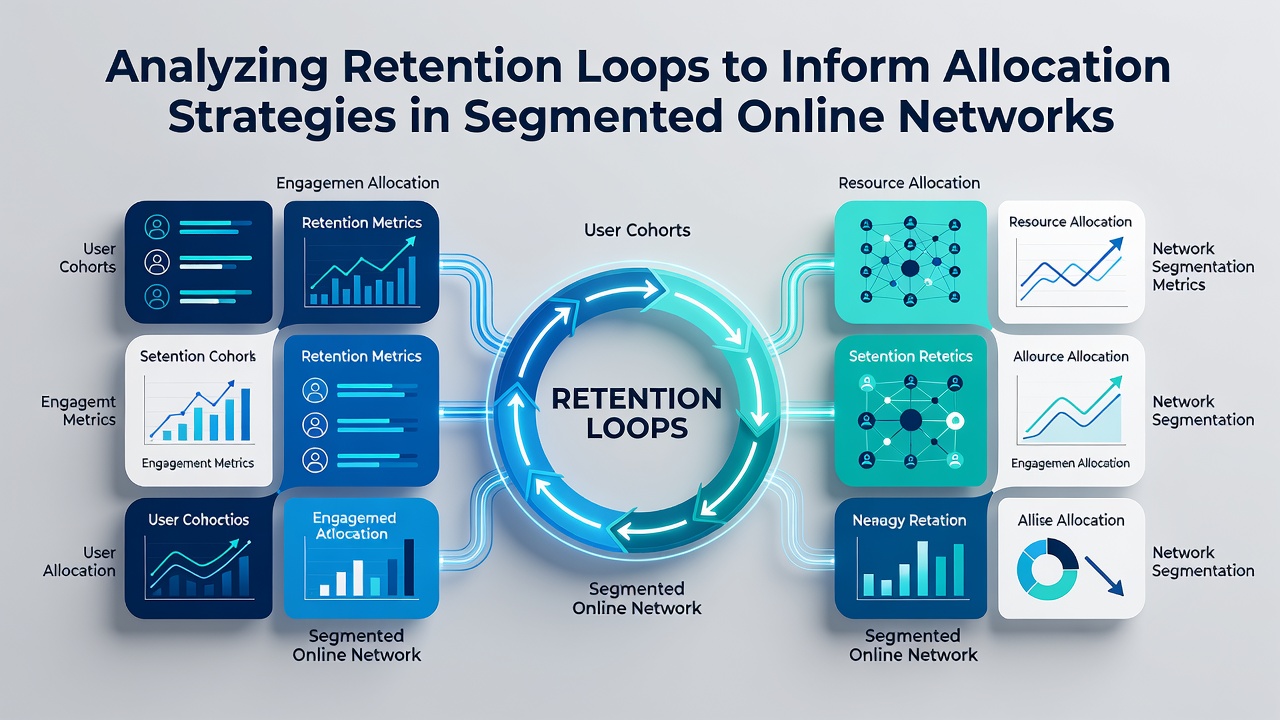
Retention loops form closed cycles where sustained user activity generates data that platforms use to refine engagement tactics, and segmented online networks divide audiences into distinct cohorts based on behavior patterns, demographics, and interaction frequency. Analysts examine these loops by tracking metrics such as return visits, session duration, and conversion events across each segment, which reveals how resources like feature updates or promotional spend produce measurable differences in retention rates.
Core Components of Retention Loops
Researchers track four primary stages within retention loops, starting with initial acquisition that funnels users into a network, followed by activation that encourages first meaningful actions, then ongoing engagement that builds habit formation, and finally advocacy that drives organic referrals back into the acquisition phase. Data collected at each stage feeds into models that predict churn risk for specific segments, and platforms adjust interventions accordingly while monitoring how loop velocity changes over time. Studies from network analysis groups indicate that segments with high activation rates often sustain longer loops when allocation prioritizes personalized content delivery over broad campaigns.
Segmentation Frameworks in Practice
Segmented online networks rely on clustering algorithms that group users by shared attributes including geographic location, device type, content preferences, and historical engagement depth. These divisions allow operators to isolate variables that influence loop stability, such as time-of-day activity peaks in one cohort versus sporadic logins in another. Observers note that effective segmentation requires continuous data refresh because user behaviors shift with platform updates or external events, and October 2026 reports from digital infrastructure providers documented accelerated segment drift in response to new privacy regulations across multiple regions.
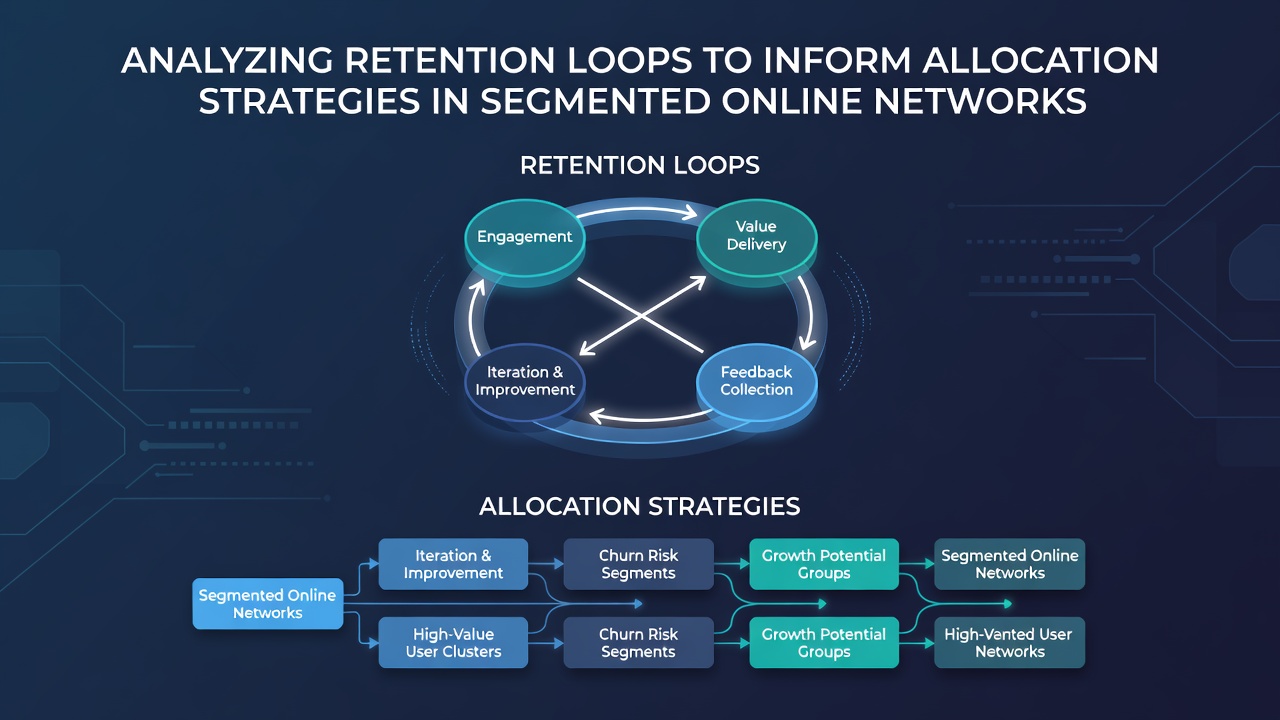
Allocation decisions gain precision when segments receive tailored resource distributions calibrated to their individual loop strengths and weaknesses. For instance, high-value segments demonstrating strong advocacy potential receive priority access to beta features, whereas emerging segments benefit from targeted onboarding sequences designed to accelerate activation.
Analytical Methods and Data Inputs
Analysts apply cohort retention curves alongside survival analysis to quantify how long users remain active within each segment, and these techniques incorporate variables such as notification frequency and community interaction levels. Machine learning models process longitudinal datasets to identify early indicators of loop breakage, enabling preemptive reallocation of support resources. Evidence from academic research centers shows that combining behavioral telemetry with survey responses improves prediction accuracy for segment-specific retention outcomes, particularly when networks span diverse cultural contexts.
Linking Loop Insights to Resource Allocation
Platforms translate retention findings into allocation strategies by weighting budget and development efforts toward segments where incremental investment yields the highest loop extension. This process involves mapping expected return on allocation against projected retention gains, then iterating based on post-implementation performance data. According to an OECD digital economy outlook, organizations that align allocation with segment-level loop diagnostics achieve more consistent growth trajectories across heterogeneous user bases.
But here's the thing: misaligned allocations often accelerate churn in under-resourced segments, which in turn weakens overall network effects. Operators therefore monitor cross-segment ripple effects, adjusting distributions when one cohort's improved retention begins to influence adjacent groups through shared content or referral pathways.
Observed Patterns Across Network Types
Case examinations of segmented platforms reveal that entertainment-focused networks frequently allocate creative development resources to segments with rapid advocacy loops, whereas professional networking sites prioritize feature enhancements for segments exhibiting sustained engagement but lower referral rates. Data indicates that timing matters, as allocation shifts implemented mid-quarter produce different retention impacts compared with those synchronized to seasonal usage peaks. Researchers at institutions including the University of Toronto have documented how these patterns hold across platforms of varying scale, underscoring the importance of granular segment monitoring.
Conclusion
Retention loop analysis supplies the empirical foundation for allocation strategies that respect the distinct dynamics of each segment within online networks. By integrating cohort metrics, predictive modeling, and iterative resource adjustments, operators maintain loop momentum across diverse user groups. Continued refinement of these methods supports stable growth even as network compositions evolve, and ongoing data collection remains essential for sustaining alignment between observed retention patterns and strategic investments.