Lars Becker · 1 October 2026
Tracing Engagement Sequences to Guide Indexing Priorities in Niche Domain Shifts
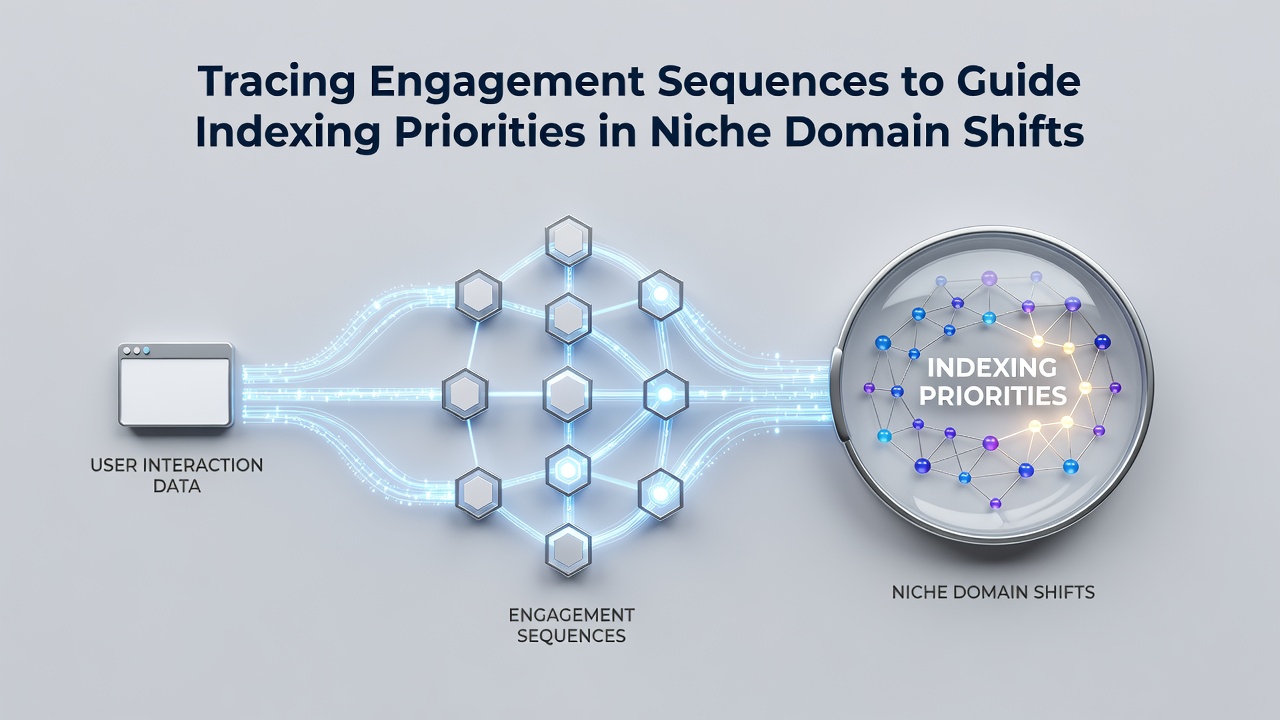
Search engines process user interactions through layered sequences that reveal content relevance during domain transitions, and observers note how these patterns shape crawl directives in specialized market segments. Data from multiple industry analyses shows that sequences begin with initial clicks on legacy URLs, proceed through dwell times on transitional pages, and extend into repeat visits on newly structured content, all while algorithms adjust indexing queues accordingly.
Mapping User Pathways in Transitional Domains
Engagement sequences unfold as chains of actions where visitors move from entry points to deeper explorations, and researchers at academic institutions have documented how these chains inform priority signals when domains shift into narrower verticals. For instance, one study tracked sequences that started with branded queries, transitioned to category-specific pages, and concluded with conversion events, revealing that search systems elevate pages with sustained multi-step interactions. Those who've analyzed large-scale logs find that sequences interrupted by high bounce rates receive lower indexing precedence, whereas fluid paths with embedded navigation sustain higher crawl frequencies over extended periods.
Domain shifts introduce variables such as URL restructuring and content consolidation, yet engagement data collected across these changes allows systems to reorder priorities based on observed behavior clusters. Experts tracking October 2026 algorithm refinements report that platforms now incorporate sequence velocity metrics, measuring how quickly users progress through niche content layers after migration completes.
Technical Approaches to Sequence Analysis
Analysts employ server log parsing combined with event tracking scripts to reconstruct sequences, and this method surfaces correlations between path completion rates and indexing timestamps. Tools aggregate timestamps from first interaction to final exit, then apply clustering algorithms that group similar journeys by niche topic depth. Figures from research initiatives indicate that sequences exceeding three distinct page views correlate with faster inclusion in specialized indexes, while single-step visits lag behind in priority queues.
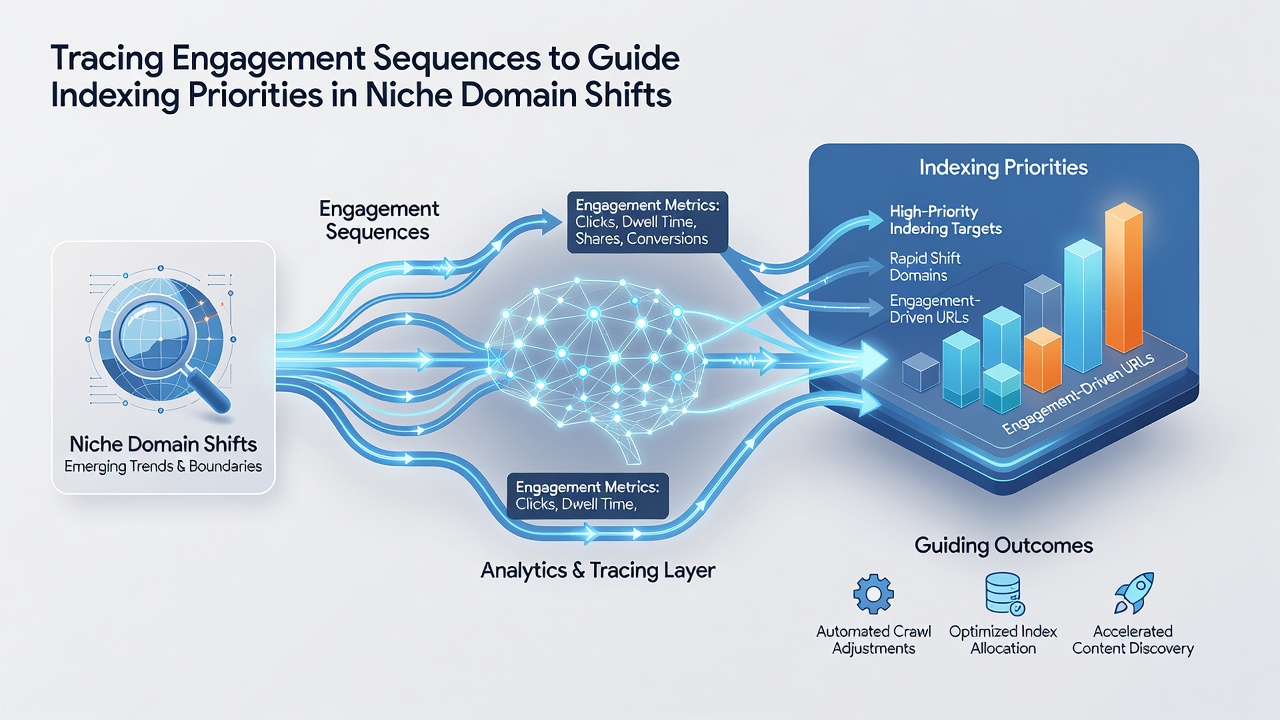
Integration with heat mapping overlays further refines these insights, as visual data highlights which content blocks sustain attention within each sequence stage. Observers note that when sequences demonstrate repeated returns to updated sections of a shifted domain, indexing systems respond by allocating additional resources to related subdirectories, accelerating visibility in competitive niche results.
Application Within Specialized Market Contexts
Niche domain shifts often involve consolidation of disparate content types into unified taxonomies, and sequence tracing helps distinguish which clusters merit immediate indexing attention. Industry reports compiled by organizations such as the European Commission digital reports highlight patterns where engagement flows through regulatory compliance pages receive elevated priority in sectors like technology standards and consumer data handling. Meanwhile, sequences that branch into comparative product evaluations guide systems toward indexing supporting resources at higher rates than isolated informational nodes.
Take one documented migration in the health information sector where analysts mapped sequences from symptom lookup pages to treatment protocol archives, and results showed accelerated indexing for the latter once multi-touch engagement exceeded baseline thresholds. Such outcomes demonstrate how sequence duration and branching complexity serve as proxies for content authority within narrow topical domains.
Adjusting Crawl Directives Based on Sequence Data
Crawl budget allocation responds directly to aggregated sequence metrics, with systems deprioritizing pages that fail to generate progressive engagement chains. Data indicates that domains undergoing shifts benefit when internal linking structures mirror high-performing sequences, thereby channeling users along paths that reinforce indexing signals. Australian government technology assessments have outlined similar dynamics in digital marketplace transitions, where sequence completion rates informed which migrated assets entered primary indexes first.
Real-time monitoring dashboards now surface deviations in sequence patterns, allowing adjustments before indexing backlogs accumulate. Researchers have observed that incorporating session replay data into these dashboards reveals friction points that, once resolved, restore sequence momentum and subsequent indexing priority.
Conclusion
Tracing engagement sequences provides measurable inputs for determining indexing order during niche domain shifts, and the practice continues to evolve alongside refinements in behavioral analytics. Patterns documented through October 2026 illustrate consistent links between multi-stage user journeys and accelerated crawl treatment across varied verticals, while technical implementations ranging from log analysis to visual overlays deliver actionable clusters for prioritization. External sources such as academic repositories on information retrieval further support these connections through peer-reviewed examinations of path-based ranking factors.